2006
BEIJING, CHINA — ONE VERY QUIET SEPTEMBER NIGHT...
THE INTERNET'S MOST UNBOTHERED RABBIT
No promises. No pretending. Just one iconic blank stare—now onchain.
0x7e6335dfd2271b6f88072e10d8a6d0b591311b8a
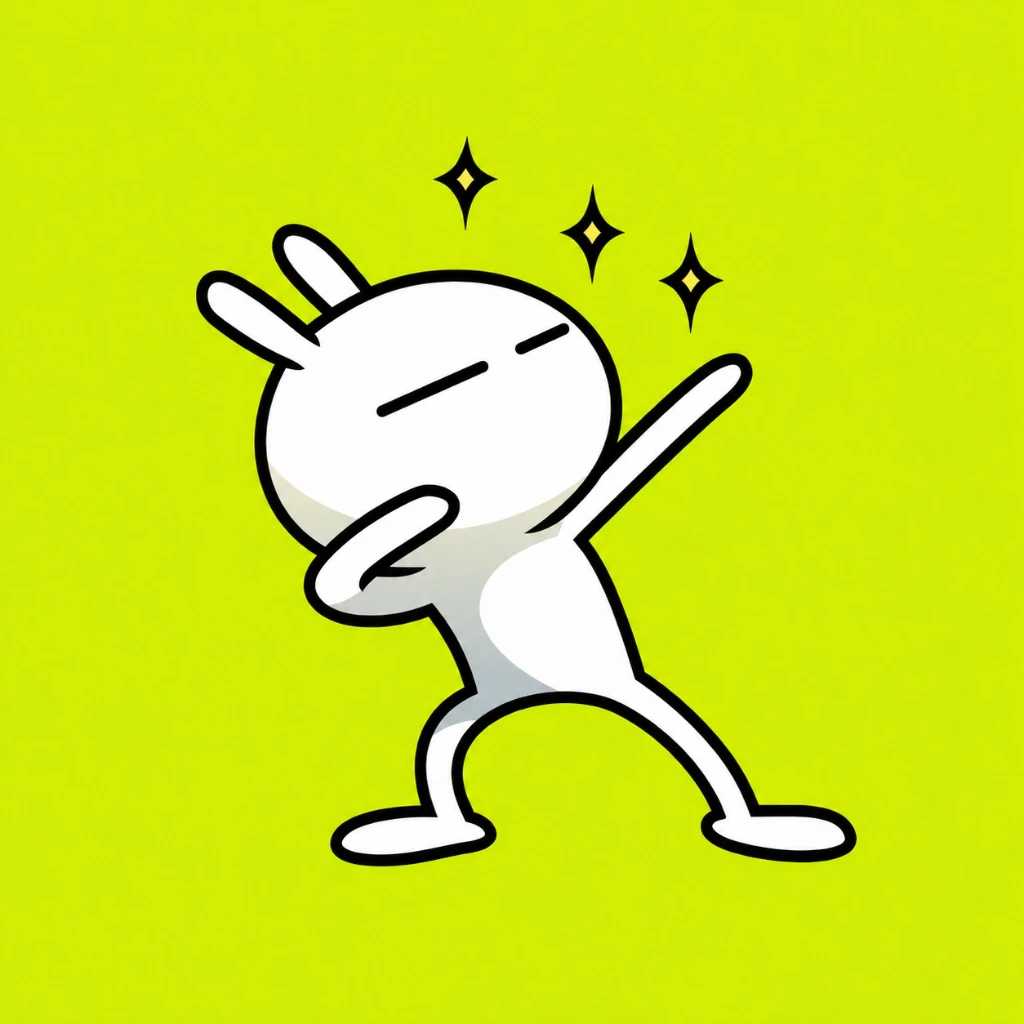
A cultural icon drawn in the margins—and sent around the world.
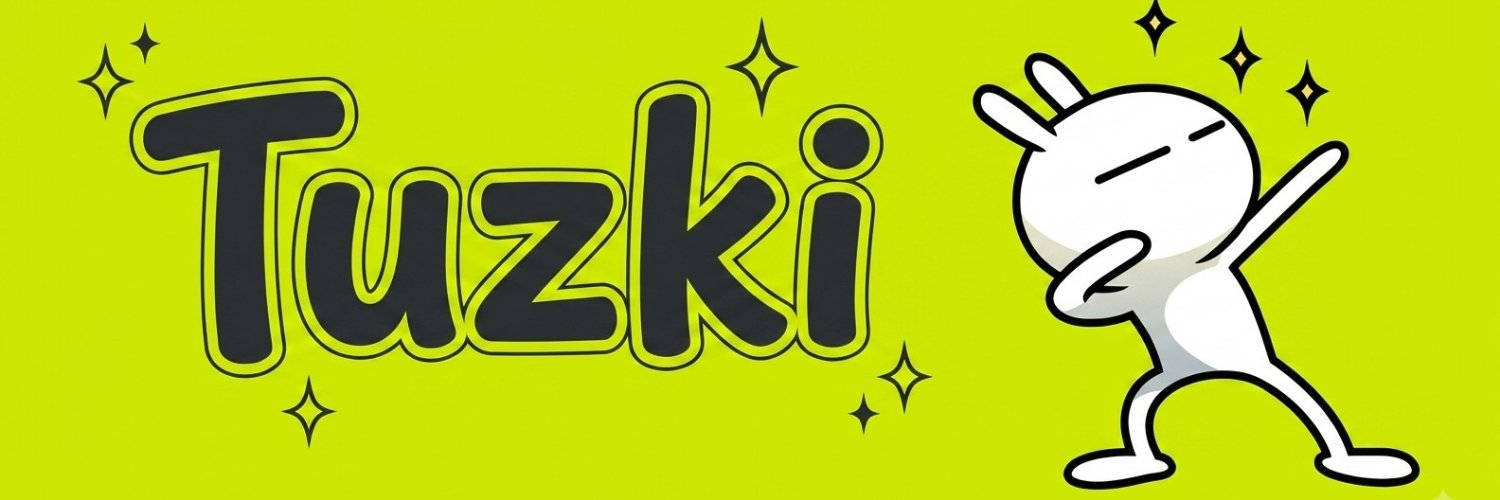
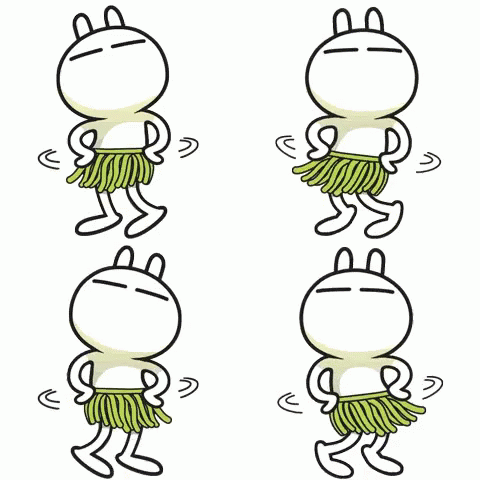
While classmates at the Communication University of China wrestled with assignments, animator Momo Wang drew a white rabbit with two long ears, a round body, and almost no expression. She called him Tuzki.
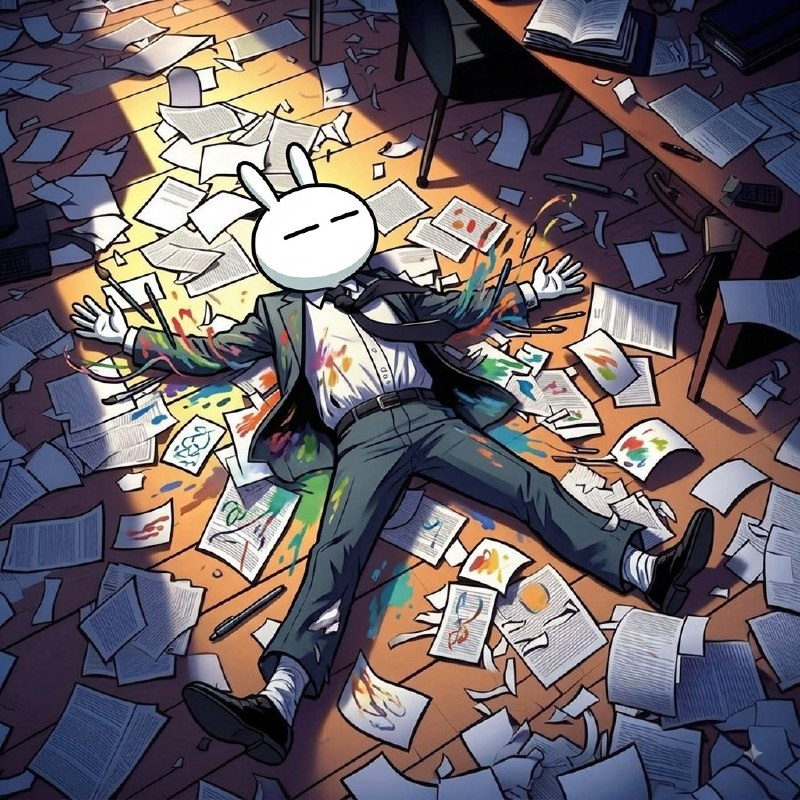
The design was brilliantly simple: a face calm enough to carry whatever feeling people projected onto it—awkwardness, disbelief, exhaustion, mischief, or the very specific mood of being completely done.
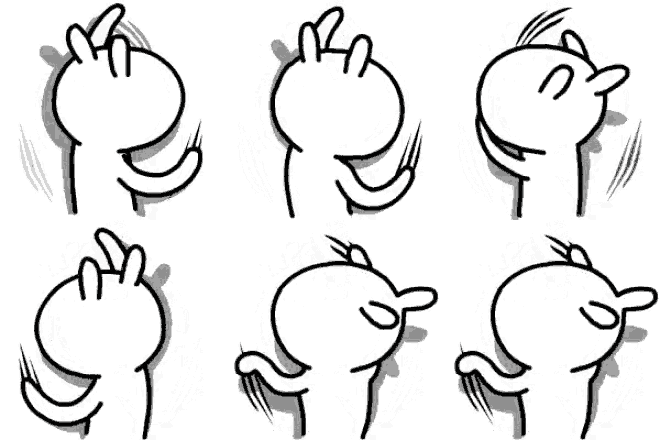
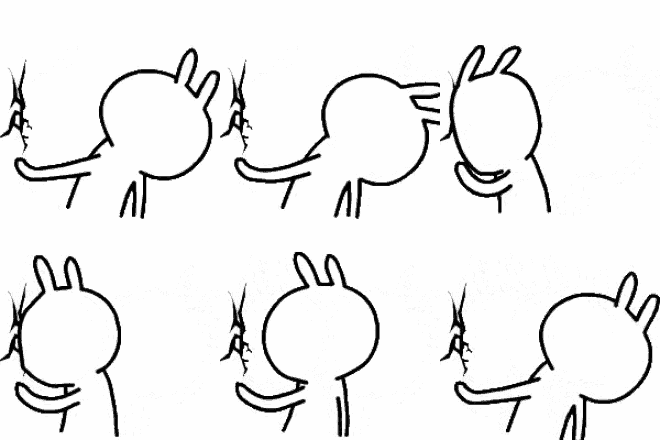
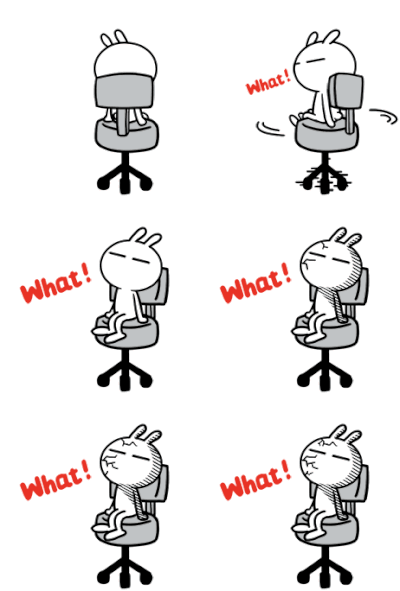
Tuzki hopped from Momo's sketchbook into QQ and MSN chats. His dances, shrugs, stares, and tiny rebellions became a new visual language. A silent bunny suddenly said what millions of people couldn't type.
He wasn't polished or loud. That was the point. Tuzki felt like the friend who looked across the room during chaos and understood everything without saying a word.
By 2007, brands across Asia had noticed the bunny's pull. Motorola put Tuzki on campaigns for a new generation of instant messaging; KFC China brought him to millions of tables. Under the care of TurnOut Ventures, his deadpan charm kept traveling—from WeChat and KakaoTalk to Facebook and Zalo, moving through millions of messages each day.
“Some reactions are too real for words.”
Nearly two decades later, Tuzki still belongs to the internet: copied, remixed, and understood across languages. Now $TUZKI brings that same unbothered energy to Robinhood Chain—a community meme for anyone who has ever answered the madness with a perfectly blank stare.



Head to the official $TUZKI page on pools.trade.
Use a compatible wallet on Robinhood Chain and choose your amount.
Confirm the token address, review, and swap. Stay unbothered.